
Vitamin C (Ascorbic acid)Overview:Vitamin C is a water-soluble vitamin, meaning that your body doesn’t store it. We have to get what we need from food, including citrus fruits, broccoli, and tomatoes. You need vitamin C for the growth and repair of tissues in all parts of your body. It helps the body make collagen, an important protein used to make skin, cartilage, tendons, ligaments, and blood vessels. Vitamin C is needed for healing wounds, and for repairing and maintaining bones and teeth. Vitamin C is an antioxidant, along with vitamin E, beta-carotene, and many other plant-based nutrients. Antioxidants block some of the damage caused by free radicals, substances that damage DNA. The build-up of free radicals over time may contribute to the aging process and the development of health conditions such as cancer, heart disease, and arthritis. It’ s rare to be seriously deficient in vitamin C, although evidence suggests that many people may have low levels of vitamin C. Smoking cigarettes lowers the amount of vitamin C in the body, so smokers are at a higher risk of deficiency. Signs of vitamin deficiency include dry and splitting hair; gingivitis (inflammation of the gums) and bleeding gums; rough, dry, scaly skin; Low levels of vitamin C have been associated with a number of conditions, including high blood pressure, gallbladder disease, stroke, some cancers, and atherosclerosis, the build-up plaque in blood vessels that can lead to heart attack and stroke. Getting enough vitamin C from your diet — by eating lots of fruit and vegetables — may help reduce the risk of developing some of these conditions. |


Vitamin C plays a role in protecting against the following:
Alzheimer’s Disease
Aggregates that build up in the brain in Alzheimer”s disease.

When we treated brain tissue from mice suffering from Alzheimer’s disease with vitamin C, we could see that the toxic protein aggregates were dissolved. Our results show a previously unknown model for how
vitamin C affects the amyloid plaques,
Heart Disease
Results of scientific studies on whether vitamin C is helpful for preventing heart attack or stroke are mixed. Vitamin C doesn’t lower cholesterol levels or reduce the overall risk of heart attack, but evidence suggests that it may help protect arteries against damage.
Some studies — though not all — suggest that vitamin C, acting as an antioxidant, can slow down the progression of atherosclerosis (hardening of the arteries). It helps prevent damage to LDL (“bad”) cholesterol, which then builds up as plaque in the arteries and can cause heart attack or stroke. Other studies suggest that vitamin C may help keep arteries flexible.

In addition, people who have low levels of vitamin C may be more likely to have a heart attack, stroke, or peripheral artery disease, all potential results of having atherosclerosis. Peripheral artery disease is the term used to describe atherosclerosis of the blood vessels to the legs. This can lead to pain when walking, known as intermittent claudication. But there is no evidence that taking vitamin C supplements will help.
The best thing to do is get enough vitamin C through your diet. That way, you also get the benefit of other antioxidants and nutrients contained in food. If you have low levels of vitamin C and have trouble getting enough through the foods you eat, ask your doctor about taking a supplement.
High Blood Pressure
Population based studies (which involve observing large groups of people over time) suggest that people who eat foods rich in antioxidants, including vitamin C, have a lower risk of high blood pressure than people who have poorer diets. Eating foods rich in vitamin C is important for your overall health, especially if you are at risk for high blood pressure. The diet physicians most frequently recommend for treatment and prevention of high blood pressure, known as the DASH (Dietary Approaches to Stop Hypertension) diet, includes lots of fruits and vegetables, which are loaded with antioxidants.
Common Cold

Cancer
Results of many population based studies (evaluating groups of people over time) suggest that eating foods rich in vitamin C may be associated with lower rates of cancer, including skin cancer, cervical dysplasia (changes to the cervix which may be cancerous or precancerous, picked up by pap smear), and, possibly, breast cancer. But these foods also contain many beneficial nutrients and antioxidants, not only vitamin C, so it’s impossible to say for certain that vitamin C is protecting against cancer. Taking vitamin C supplements, on the other hand, has not been shown to have any helpful effect.
In addition, there is no evidence that taking large doses of vitamin C once diagnosed with cancer will help your treatment. Moreover, some doctors are concerned that large doses of antioxidants from supplements could interfere with chemotherapy medications. More research is needed. If you are undergoing chemotherapy, talk to your doctor before taking vitamin C or any supplement.
Osteoarthritis
Vitamin C is essential for the body to make collagen, which is a part of normal cartilage. Cartilage is destroyed in osteoarthritis (OA), putting pressure on bones and joints. In addition, some researchers think freeradicals — molecules produced by the body that can damage cells and DNA — may also be involved in the destruction of cartilage. Antioxidants such as vitamin C appear to limit the damage caused by free radicals.However, that said, no evidence suggests that taking vitamin C supplements will help treat or prevent OA. What the evidence does show is that people who eat diets rich in vitamin C are less likely to be diagnosed with arthritis.
Taking nonsteroidal anti-inflammatory drugs can lower your levels of vitamin C. If you take these drugs regularly for OA, you might want to take a vitamin C supplement.

Age-related Macular Degeneration
Vitamin C (500 mg) appears to work with other antioxidants, including zinc (80 mg), beta-carotene (15 mg), and vitamin E (400 IU) to protect the eyes against developing macular degeneration (AMD), the leading cause of legal blindness in people over 55 in the United States. The people who seem to benefit are those with advanced AMD. It isn’t known whether this combination of nutrients helps prevent AMD or is beneficial for people with less advanced AMD. This combination includes a high dose of zinc, which should be taken only under a doctor’ s supervision.
Pre-eclampsia
Some studies suggest that taking vitamin C along with vitamin E may help prevent pre-eclampsia in women who are at high risk. Pre-eclampsia, characterized by high blood pressure and too much protein in the urine, is a common cause of premature births. Not all studies agree, however.
Asthma
Studies are mixed when it comes to the effect of vitamin C on asthma. Some show that low levels of vitamin C are more common in people with asthma, leading some researchers to think that low levels of 
Other
Although the information is limited, studies suggest that vitamin C may also be helpful for:
- Boosting immune system function
- Maintaining healthy gums
- Improving vision for those with uveitis (an inflammation of the middle part of the eye)
- Treating allergy-related conditions, such as asthma, eczema, and hay fever (called allergic rhinitis)
- Reducing effects of sun exposure, such as sunburn or redness (called erythema)
- Alleviating dry mouth, particularly from antidepressant medications (a common side effect from these drugs)
- Healing burns and wounds
- Decreasing blood sugar in people with diabetes
- Some viral conditions, including mononucleosis — Although scientific evidence is lacking, some doctors may suggest high-dose vitamin C to treat some viruses
Dietary Sources:
Some excellent sources of vitamin C are oranges, green peppers, watermelon, papaya, grapefruit, cantaloupe, strawberries, kiwi, mango, broccoli, tomatoes, Brussels sprouts, cauliflower, cabbage, and citrus juices or juices fortified with vitamin C. Raw and cooked leafy greens (turnip greens, spinach), red and green peppers, canned and fresh tomatoes, potatoes, winter squash, raspberries, blueberries, cranberries, and pineapple are also rich sources of vitamin C. Vitamin C is sensitive to light, air, and heat, so you’ll get the most vitamin C if you eat fruits and vegetables raw or lightly cooked.
Available Forms:
You can purchase either natural or synthetic vitamin C, also called ascorbic acid, in a variety of forms. Tablets, capsules, and chewables are probably the most popular forms, but vitamin C also comes in powdered crystalline, effervescent, and liquid forms. Vitamin C comes in doses ranging from 25 – 1,000 mg.
“Buffered” vitamin C is also available if you find that regular ascorbic acid upsets your stomach. An esterified form of vitamin C
How to Take It:
The best way to take vitamin C supplements is 2 – 3 times per day, with meals, depending on the dosage. Some studies suggest that adults should take 250 – 500 mg twice a day for any benefit. Talk to your doctor before taking more than 1,000 mg of vitamin C on a daily basis and before giving vitamin C to a child.
Daily intake of dietary vitamin C (according to the National Academy of Sciences) is listed below.
Pediatric
- Birth – 6 months: 40 mg (Adequate intake)
- Infants 6 – 12 months: 50 mg (Adequate intake)
- Children 1 – 3 years: 15 mg
- Children 4 – 8 years: 25 mg
- Children 9 – 13 years: 45 mg
- Adolescent girls 14 – 18 years: 65 mg
- Adolescent boys 14 – 18 years: 75 mg

Adult
- Men over 18 years: 90 mg
- Women over 18 years: 75 mg
- Pregnant women 14 – 18 years: 80 mg
- Pregnant women over 18 years: 85 mg
- Breastfeeding women 14 – 18 years: 115 mg
- Breastfeeding women over 18 years: 120 mg

Because smoking depletes vitamin C, people who smoke may need an additional 35 mg per day.
The dose recommended to prevent or treat many of the conditions mentioned in the Uses section is often 500 – 1,000 mg per day.
Vitamin C supplements have a diuretic effect, meaning the help the body get rid of excess fluid. Be sure to drink plenty of fluids when taking them.
Most commercial vitamin C is made from corn. People sensitive to corn should look for alternative sources, such as sago palm.
Vitamin C increases the amount of iron absorbed from foods. People with hemochromatosis, an inherited condition where too much iron builds up in the body, should not take vitamin C supplements.
Vitamin C is generally considered safe because your body gets rid of what it does not use. But at high doses (more than 2,000 mg daily) it can cause diarrhea, gas, or stomach upset. If you experience these side effects, lower the dose of vitamin C.
People with kidney problems should talk to their doctor before taking vitamin C.
People who smoke or use nicotine patches may need more vitamin C because nicotine makes vitamin C less effective in the body.
Infants born to mothers taking 6,000 mg or more of vitamin C may develop rebound scurvy because their intake of vitamin C drops after birth. If you are pregnant, talk to your doctor before taking more than 1,000 mg of vitamin C.
Vitamin C could, if it contains sugar or glucose, raise blood sugar levels in people with diabetes, check the product content before you buy.
If you are being treated for cancer, talk to your oncologist before taking vitamin C. Vitamin C may potentially interact with some chemotherapy drugs.
Possible Interactions:
If you are being treated with any of the following medications, you should not use vitamin C supplements without first talking to your health care provider:
Aspirin and nonsteroidal anti-inflammatory drugs (NSAIDs) — Both aspirin and NSAIDs can lower the amount of vitamin C in the body because they cause more of the vitamin to be lost in urine. In addition, high doses of vitamin C can cause more of these drugs to stay in the body, raising the levels in your blood. Some very early research suggests that vitamin C might help protect against stomach upset that aspirin and NSAIDs can cause. If you regularly take aspirin or NSAIDs, talk to your doctor before taking more than the recommended daily allowance of vitamin C.
Acetaminophen (Tylenol) — High doses of vitamin C may lower the amount of acetaminophen passed in urine, which could cause the levels of this drug in your blood to rise.
Aluminum-containing antacids — Vitamin C can increase the amount of aluminum your body absorbs, which could cause the side effects of these medications to be worse. Aluminum-containing antacids include Maalox and Gaviscon.
Barbiturates — Barbiturates may decrease the effects of vitamin C. These drugs include phenobarbital (Luminal), pentobarbital (Nembutal), and seconobarbital (Seconal).
Chemotherapy drugs — As an antioxidant, vitamin C may interfere with the effects of some drugs taken for chemotherapy. However, some researchers speculate that vitamin C might help make chemotherapy more effective. If you are undergoing chemotherapy, do not take vitamin C or any other supplement without talking to your oncologist.
Oral contraceptives (birth control pills) and hormone replacement therapy (HRT) — Vitamin C can cause a rise in estrogen levels when taken with these drugs. Oral estrogens can also decrease the effects of vitamin C in the body.
Protease inhibitors — Vitamin C appears to slightly lower levels of indinavir (Crixivan), a medication used to treat HIV and AIDS.
Tetracycline — Some evidence suggests that taking vitamin C with the antibiotic tetracycline may increase the levels of this medication. It may also decrease the effects of vitamin C in the body. Other antibiotics in the same family include minocycline (Minocin) and doxycycline (Vibramycin).
Warfarin (Coumadin) — There have been rare reports of vitamin C interfering with the effectiveness of this blood thinning medication. In recent follow-up studies, no effect was found with doses of vitamin C up to 1,000 mg per day. However, if you take warfarin or another blood thinner, talk to your doctor before taking vitamin C or any other supplement.
Alternative Name for Vitamin C : Ascorbic acid
BREAKTHROUGH: RETINAL PHOTOS CONFIRM VITAMIN C PILLS CAN REVERSE ARTERY DISEASE


LONDON- Given that arterial disease is the leading cause of death in developed countries, doctors have employed different technologies to ascertain the onset and severity of cardiovascular disease. Since 1851 when the first ophthalmoscope was developed, doctors have been able to directly view arteries at the back of the eyes. Years later, pictures of the blood vessels were taken which helped eye doctors diagnose and chart the progression of various eye disorders. Then, beginning in the 1960s cardiologists began injecting dye into blood vessels and viewing an x-ray fluoroscope to find arterial blockages throughout the body. Angiograms, as they care called, usually aren’t obtained until symptoms of arterial disease are apparent.
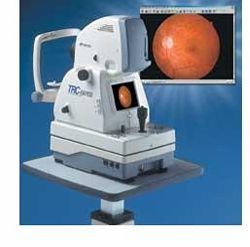 But when eye researchers revealed this past July in the British Medical Journal that narrowing of small arteries at the back of the eyes precedes the development of high blood pressure, it opened up a new non-invasive way of detecting systemic artery disease. Retinal photos could detect hypertension long before blood pressure rises. But what are doctors to do with this discovery? Prescribing medications to adults before they actually develop hypertension would not be advisable.
Then Dr. Sydney Bush, a Doctor of Optometry, in Hull, East Yorkshire, North of London, wrote a letter to British Medical Journal editors citing his experience prescribing vitamin C for arterial cholesterol. This is seen in the majority of patients. His observations were based upon two kinds of photographs of blood vessels. These are pericorneal photographs (of the external eye) recorded by video-biomicroscopy using what is called a slit lamp biomicroscope and a second type of arterial photograph of the internal eye, the retinal photograph, using the digital electronic retinal camera. These images are capable of great magnification.
In the course of his practice of placing patients on vitamin C to prevent or treat contact lens problems, Dr. Bush serendipitously discovered high-dose vitamin C reversed the tendency to arterial disease, seen in both the external and internal eye images and he had the photographic evidence to prove it. His letter could be historic. If this is correct, millions of strokes, heart attacks, and coronary artery operations could be avoided with early supplementation with vitamin C. He calls this new approach to cardiovascular health from a study of the retinal blood vessels CardioRetinometry. With further research it may prove to be a better surrogate outcome predictor of coronary artery disease than present diagnostic systems.

Retinal photograph taken in 2002 (left) reveals artery disease (vessel narrowing, drop out of some vessels). Retinal photo (right) taken in 2004 after daily vitamin C supplementation confirms arteries have widened and some reappear. The fuzzy appearance on the left is due to excess cholesterol and can disappear in some cases, in a few months.
But is the medical community ready to embrace such a simple technology that would prevent much of the cardiovascular disease being treated today? The worldwide figures are staggering, 600 million have hypertension. The World Health Organization says some 20 million strokes occur each year. Two million angiographies are performed annually in the US. Virtually every adult over age 40 is at risk for arterial disease. Angiography is much too expensive to be a screening tool however retinal photographs could be a cost-effective breakthrough.
Progression or regression of pericorneal artery health and more seriously, retinal arterial narrowing can be monitored.
Vitamin C Therapy Misunderstood

Mega-dose vitamin C has been misunderstood, with the revelation that vitamin C has a half-life of about 30-minutes in the human body, a fact recently documented by two other British researchers, Drs. Steve Hickey and Hilary Roberts of 
Hickey and Roberts book, Ascorbate: The Science of Vitamin C, reveals vitamin C concentrations can reach many times greater concentration than previously thought possible, a fact now confirmed by National Institutes of Health researchers themselves in independent studies.
A more recent study, just published in the American Journal of Clinical Nutrition, an analysis of nine previous studies, further confirms vitamin C supplement users, those who consume more than 700 milligrams per day, have a 30% reduced risk for coronary heart disease compared to non supplement users.
A report in 1992 mistakenly claimed that more than 200 milligrams of daily vitamin C is worthless because excesses are excreted in the urine. That errant report has likely resulted in the otherwise avoidable loss of millions of lives.
It began in 1998
Advanced retinal photographic technology began in 1998 and discovered that every human being has a degree of scurvy, if not a frank deficiency of vitamin C. Animals produce their own vitamin C and don’t at least until life’s end seem to develop age-related arterial disease as do humans. Small aneurysms, bulging areas that indicate weak artery walls, can also be reversed with vitamin C.
This suggests many thousands of cases of brain or aortic aneurysms can possibly be remedied with supplemental vitamin C. After a time Dr. Bush judged that over 90% of patients with arterial disease can be improved with 3000 milligrams of vitamin C per day, 
How entrenched medical authorities are that they will attempt to maintain the status quo. One approach could be the upcoming limitation on doses of vitamins and minerals now being established by a world trade body called Codex. If Codex can limit vitamin C pills to no more than a few milligrams, it will be more expensive to practice vitamin C therapy.
We do not anticipate the medical profession will readily begin taking retinal photographs and prescribe vitamin C. But the public can choose to have photos taken and evaluate vitamin C therapy on their own. Maybe patient-driven medicine is just what is needed.
When Dr. Linus Pauling’s book, Vitamin C And The Common Cold, was published in 1970, vitamin C consumption rose by 300% and the rate of cardiovascular disease began to decline thereafter. It could happen all over again, says Dr. Bush, to an even greater extent.
Imagine a world without the plague of cardiovascular disease. It now appears within reach.